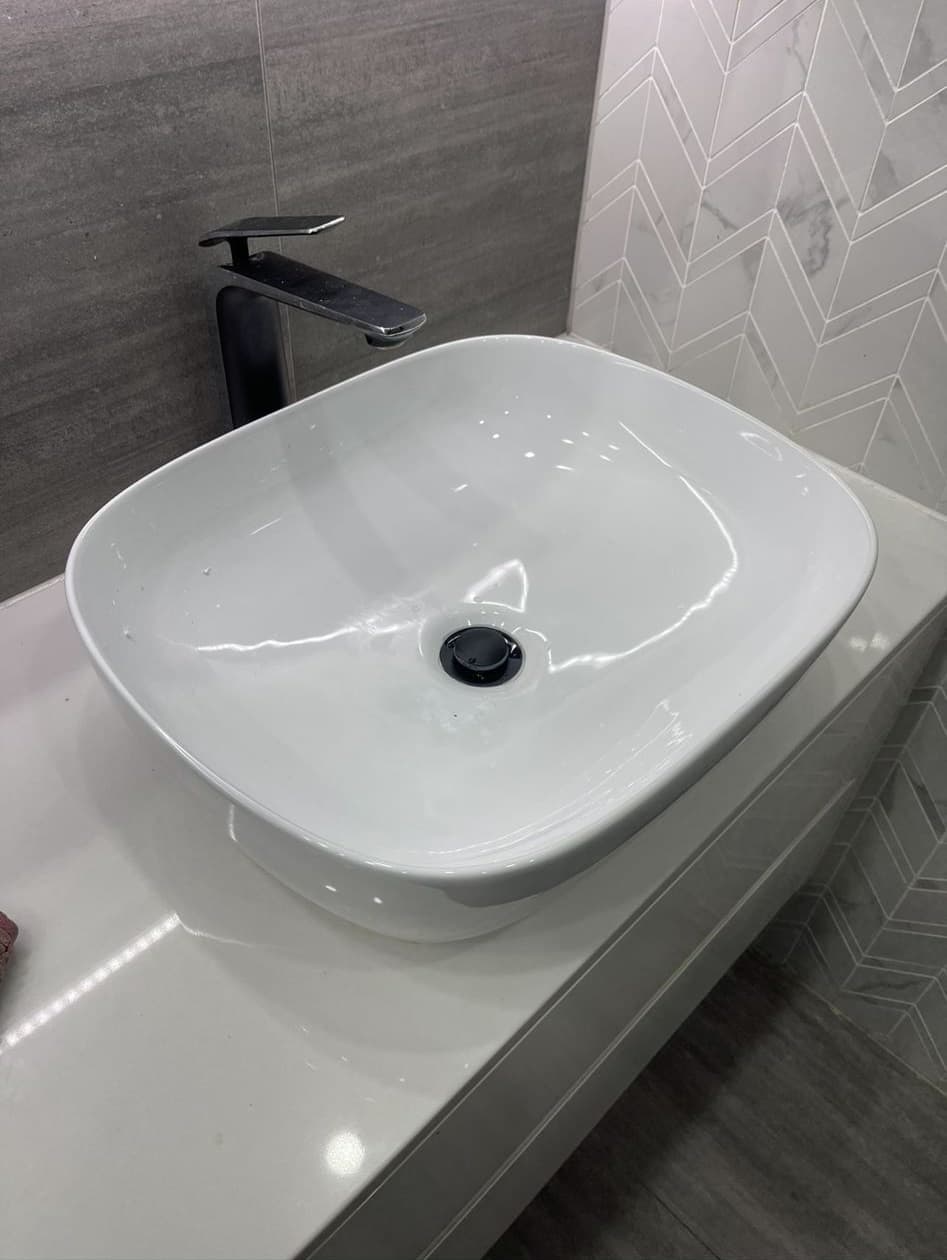
Start here
A useful plumbing upgrade solves a known problem: recurring faults, changing household needs or an unsuitable fixture. Check the existing system and installation requirements before choosing a new product or committing to broad pipe replacement.
Choose the upgrade for the problem
| What to consider | Useful next step |
|---|---|
| Recurring pipe faults | Assess condition and compare a targeted repair with broader renewal. |
| Poor monitoring of water use | Compare what a device measures, its alerts and ongoing requirements. |
| A bathroom or hot-water change | Check connections, power, access and trade coordination first. |
For the work involved, see our residential plumbing service and cost guide.
Repair, improve or replace?
Start with a condition assessment. A sound toilet with a failed inlet valve may need a small repair; repeated pinholes along an ageing water line may justify comparing a wider renewal. A new appliance will not fix a restricted supply pipe or an unsuitable drain.
Set one priority for the project: fewer repeat faults, better access, lower measured use or a fixture that suits the household. Ask which proposed items are essential to solve it and which are optional. This makes it easier to stage the work instead of replacing everything at once.
Smart Plumbing Technology
Alerts, monitoring and automatic shut-off
These features are not interchangeable:
| Option | What to check before buying |
|---|---|
| Local moisture sensor | Detects water at its position, such as beneath an appliance. It cannot check every concealed pipe. |
| Supply-flow monitor | Tracks use through the monitored supply. Confirm alert rules, shared-meter suitability and whether it needs a subscription. |
| Automatic isolation | Needs a compatible valve and installation. Ask how manual override, power loss and false alerts are handled. |
Check connectivity, battery or power requirements and who receives an alert when the property is empty. Monitoring can help flag a problem; it does not replace repairing a known leak.
Touchless Taps
Sensor-activated taps are no longer limited to commercial bathrooms. Residential models can suit kitchens and bathrooms where hands-free operation is useful, but they need compatible mounting, power and water connections. Compare the product specification, parts support and installation requirements before choosing one.
Advanced Fixtures
Digital Shower Systems
Digital shower controls can offer temperature presets and other features. They also introduce power, valve, compatibility and servicing requirements, so include those in the design before walls are closed.
Smart Toilets
A powered or bidet toilet needs more than a compatible pan. Before purchase, give the plumber the exact model and WaterMark documentation so its water connection and backflow protection can be assessed. Some bidet seats include suitable protection; others need additional equipment. NSW’s bidet installation guidance explains this distinction.
Also confirm set-out, electrical work, servicing access and parts support. A low product price can be misleading when these installation requirements are excluded.
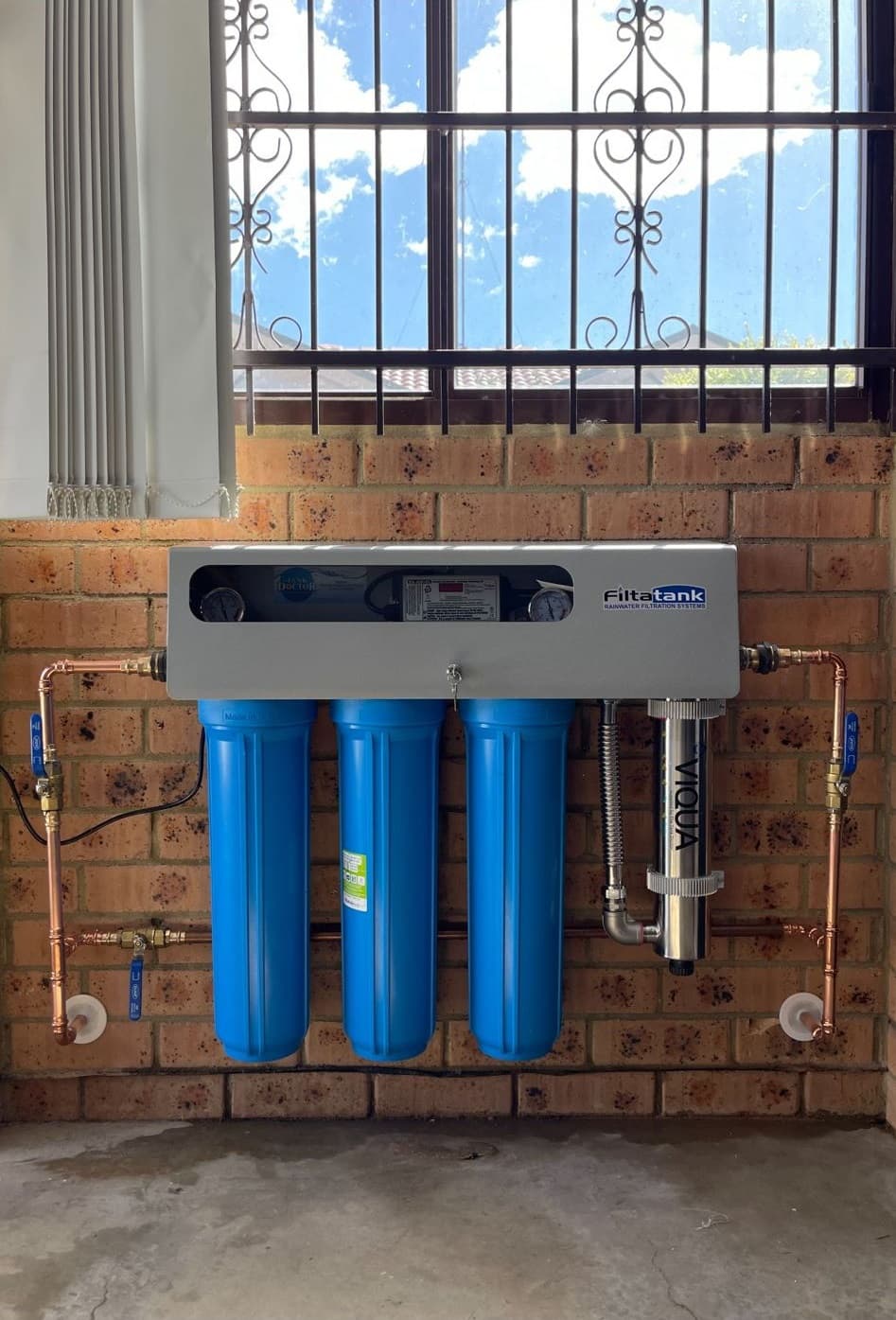
Whole-House Water Filtration
Identify the water-quality concern before selecting a filter. A taste concern at one drinking outlet and treatment of a separate rainwater supply are different scopes; neither automatically calls for a whole-property system. Ask what the chosen filter removes, what it does not remove and how that performance is documented.
Include cartridge cost and replacement access, expected pressure loss, drainage, power if required and the servicing schedule. The assembly needs to suit the actual water source and intended use.
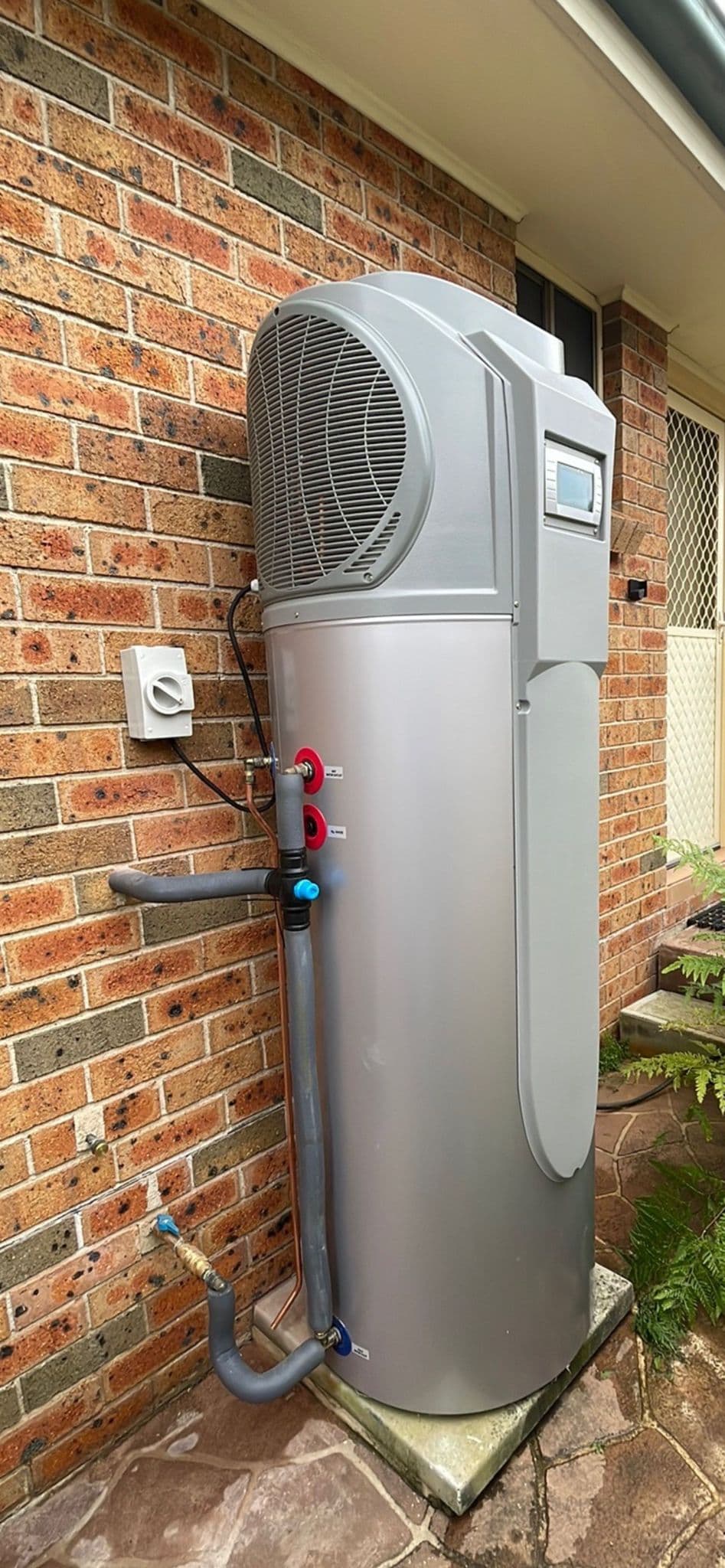
Energy-Efficient Hot Water Systems
If an existing hot water system is failing or no longer suits the household, replacement is a chance to compare energy sources, capacity, placement and installation requirements.
Heat Pump Hot Water
Heat pumps extract heat from the surrounding air to warm the stored water. Their performance and running cost depend on climate, placement, household demand, tariff and the system being replaced. Check current official incentive terms and approved products before relying on any discount.
Continuous Flow Systems
Continuous-flow units heat water on demand and avoid storing a full tank. Delivery depends on unit capacity, gas or electrical supply, minimum flow and simultaneous demand, so they are not an automatic fit for every renovation.
Recirculation Pumps
A hot water recirculation system can reduce the wait at distant fixtures. Pipe layout, controls, insulation and pump operation affect both water and energy use, so compare timed, demand-controlled and other suitable arrangements for the property.
Pipe and Material Upgrades
PEX Piping
PEX and copper each have installation, support, access and compatibility considerations. If a property still has restricted or corroded galvanised pipe, compare suitable repiping routes and materials for that building rather than choosing from a headline claim.
Pipe Relining
For a suitable cracked or root-damaged drain, pipe relining may provide a trenchless alternative to replacing the full run. The pipe must be cleared and inspected first. Some access or targeted excavation may still be needed, and a collapsed or badly displaced section may require another repair method.
When to Upgrade Your Plumbing
Not sure if your plumbing needs upgrading? Here are the signs to watch for:
- Known pipe material and condition -- Visible galvanised pipe, corrosion, repeated pinholes or restricted flow can justify a broader condition assessment.
- Recurring faults -- Several failures on the same ageing system may justify comparing staged or broader renewal with another isolated repair.
- Low water pressure -- Low flow throughout the home can involve supply conditions, valves or restricted pipework. Check the cause before choosing pipe replacement.
- Discoloured water -- Discoloured water can have several causes, including supply work or internal pipe conditions. Check current supply information and ask for advice if it persists.
- Rising water use -- An unexplained increase can justify meter checks and leak detection, but usage changes and faulty fixtures should also be considered.
- Hot water condition -- Leaks, corrosion, recurring faults, poor parts availability or inadequate capacity are stronger replacement signs than age alone.
Compare the Whole Upgrade, Not a Headline Saving
The useful comparison includes the product, removal, access, electrical or gas work, plumbing alterations, maintenance and expected usage at your property. Ask for the options to be scoped against the same household needs so the differences are meaningful.
Efficiency upgrades can reduce water or energy use, while condition-driven upgrades may reduce repeat faults and unplanned access. Neither outcome should be assumed before the existing system and proposed product are assessed.
Planning Your Plumbing Upgrade
A useful upgrade discussion starts with the existing system and the problem you want to solve. Compare options based on:
- The age and condition of your current plumbing
- Your household size and water usage patterns
- Your budget and priorities
- Any renovation plans that could be combined with plumbing work
Where walls or floors will already be open for a renovation, it can be useful to assess concealed services at the same time. Any additional work should still be based on the pipe condition, access and agreed project scope.
Considering a plumbing upgrade? Call 0404 939 121 or send the current setup, property and goal online.
Compare registered product labels using the Australian WELS consumer information. For installed system budgeting, see our hot-water replacement costs.

About the author
Panther Plumbing Group
Family-owned plumbing repairs, maintenance and installations across Sydney. We assess the job, explain the options and discuss the scope and cost before work proceeds.
Meet Panther First published . Updated .