Start here
A household shortcut can hide the cause of a fault or make it harder to fix. Avoid chemical mixtures, improvised drain tools and repeated resets; use the symptom to choose a safe check or the appropriate licensed trade.
Common shortcuts and a better next step
| What to consider | Useful next step |
|---|---|
| Keep pouring chemicals into a blocked drain | Stop using affected fixtures and establish the blockage pattern. |
| Replace a whole toilet because it runs | Check whether the cistern valve or seal can be repaired. |
| Keep resetting a failing hot-water unit | Follow manufacturer guidance and arrange assessment of recurring faults. |
For the work involved, see our residential plumbing service and cost guide.
Myth 1: Chemical Drain Cleaners Are Safe and Effective
The Myth
Liquid drain cleaners from the supermarket are the best way to clear a blockage.
The Reality
Corrosive drain cleaners can create heat, fumes and a hazardous line for anyone who later opens the pipe. They may also be unsuitable for the pipe material or blockage and do not identify why a problem keeps returning.
Do not plunge a drain after chemical cleaner has been added: it can splash the cleaner back towards you. Tell the plumber the product and when it was used. Drain-cleaner manufacturer precautions warn against plunging during or after use.
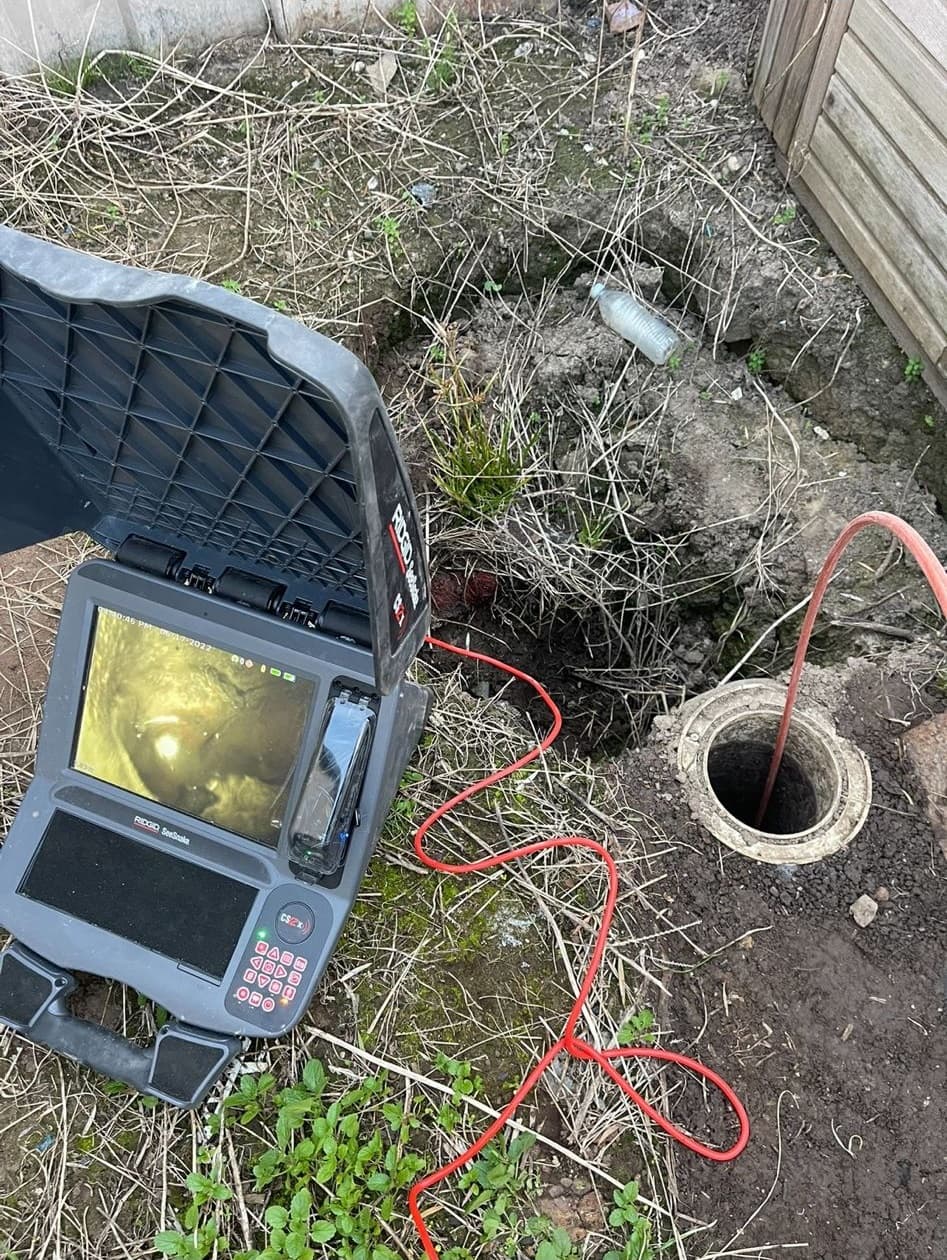
For a local fixture blockage without chemical cleaner, start with an appropriate plunger or clean an accessible strainer. If several fixtures are affected, sewage is backing up or the problem returns, arrange blocked drain inspection instead of adding another chemical.
Myth 2: Running Water Helps Grease Go Down the Drain
The Myth
If you run hot water while pouring grease or oil down the drain, it will flush through without any problems.
The Reality
Hot water may keep grease liquid at the sink, but it can cool and collect further along the pipe. Repeated disposal can narrow the line and trap food or other debris.
The proper way to dispose of cooking grease is to let it cool and solidify, then scrape it into the bin. For larger quantities of oil, pour it into a container and dispose of it at your local recycling centre. Your drains will thank you.
Myth 3: A Dripping Tap Is Just a Minor Annoyance
The Myth
A slowly dripping tap is not worth worrying about until it gets worse.
The Reality
A persistent drip wastes water, can stain sinks and basins, and may worsen as the washer, cartridge or tap seat deteriorates. The actual water use depends on the leak rate, so use your water meter to check whether consumption continues when fixtures are off.
The repair may involve a washer, cartridge, tap seat, connection or full fixture. The tap repair scope depends on the tap type, parts and condition.
Myth 4: Flushable Wipes Are Safe for Toilets
The Myth
If the packet says "flushable," it must be safe to flush.
The Reality
Despite their marketing, flushable wipes do not break down like toilet paper. They hold together far longer in your plumbing system, snagging on joints and rough spots inside your pipes. Over time, they combine with grease and other debris to form solid blockages -- what the water industry calls "fatbergs."
The practical rule is simple: only flush human waste and toilet paper. Put wipes and other products in the bin even when the packaging uses the word “flushable”.
Myth 5: Bricks in Toilet Tanks Save Water
The Myth
Placing a brick in your toilet cistern reduces water consumption.
The Reality
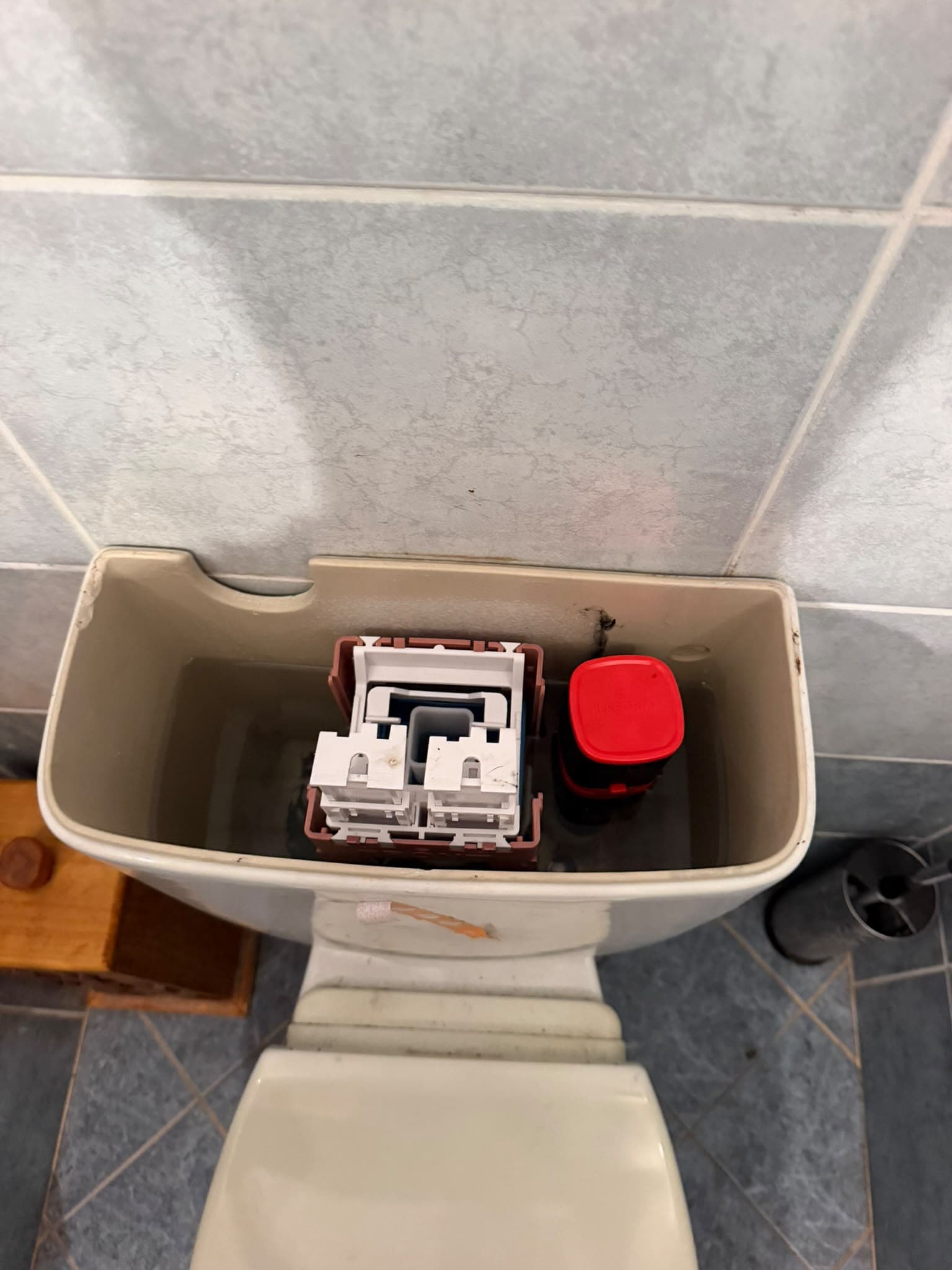
An object in the cistern can interfere with the flush mechanism or reduce the flush below what the toilet needs to clear properly. It may also break down and damage internal parts.
If an older toilet uses too much water, compare a suitable WELS-rated replacement rather than placing an object inside the cistern. Set-out, inlet position and pan compatibility still need to be checked.
Myth 6: All Plumbers Are the Same
The Myth
Any licensed plumber can handle any job equally well, so just go with the cheapest quote.
The Reality
Plumbing is a broad trade with many specialisations. A plumber who excels at residential bathroom renovations may have limited experience with commercial plumbing systems. Gasfitting requires the appropriate work category and authorisation; NSW licences can cover more than one category. Drain clearing and pipe relining need specialised equipment that not every plumber carries.
Check that the plumber has relevant experience for the job and verify that the licence covers the work required.
Myth 7: All Leaks Are Obvious
The Myth
If you had a water leak, you would know about it.
The Reality
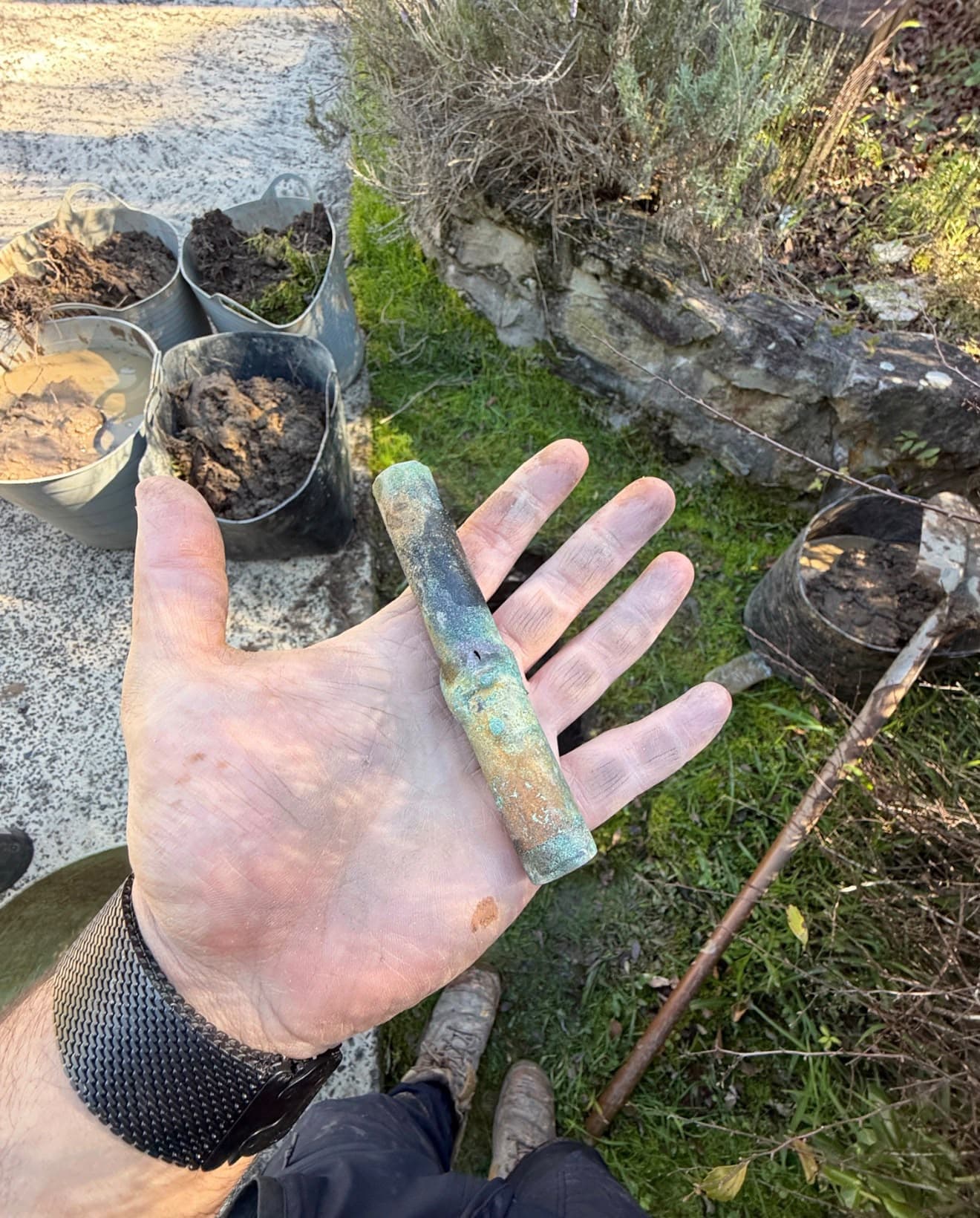
Concealed pipes can leak before the source becomes visible. A damp finish, mould, an unexplained water-use increase or the sound of water when fixtures are off can justify further checking.
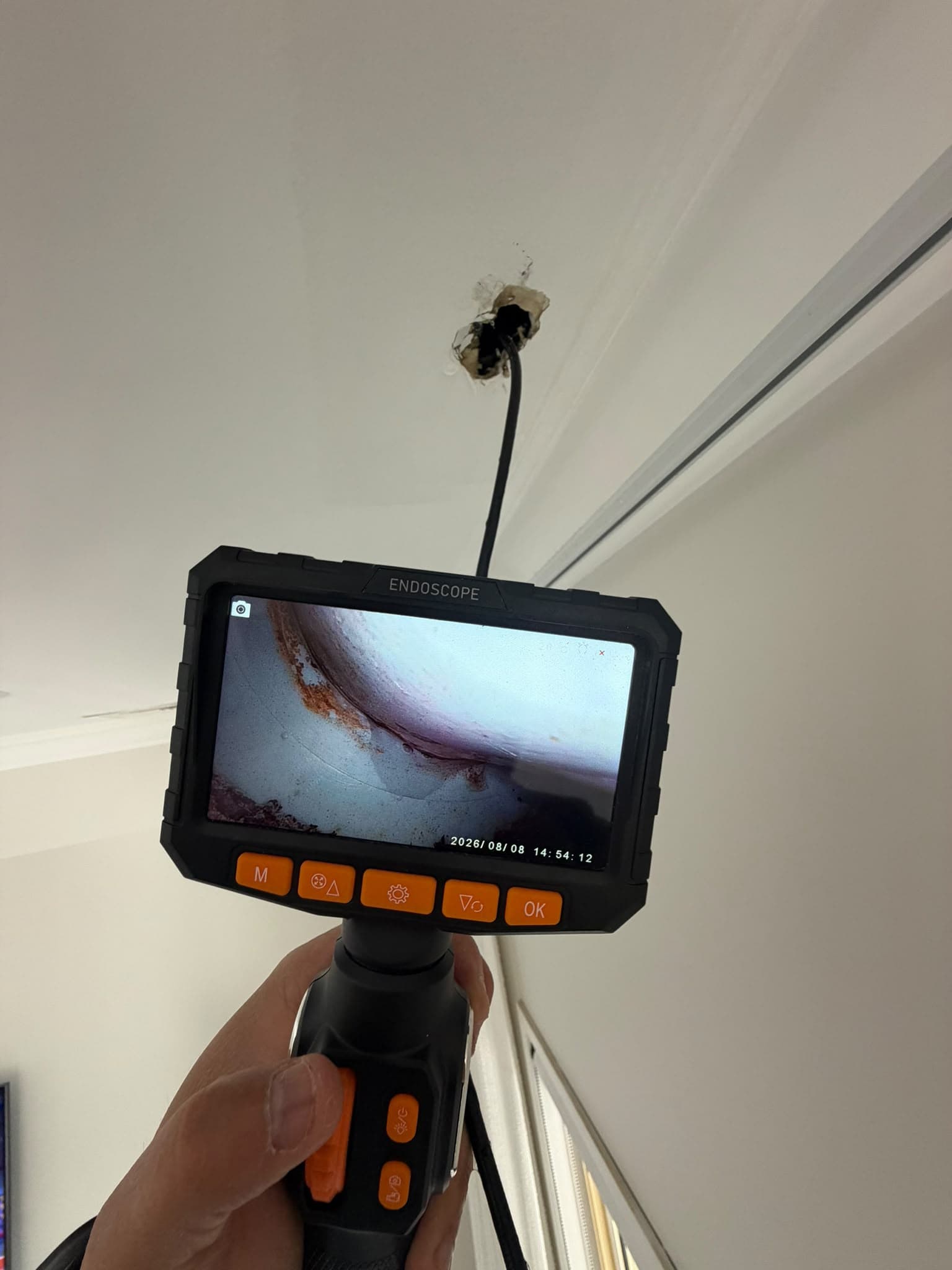
Leak detection may use meter checks, isolation testing, acoustic listening, thermal imaging or moisture readings to narrow the source before deciding where access is needed.
Myth 8: You Do Not Need a Licensed Plumber for Minor Repairs
The Myth
Small plumbing jobs like replacing a tap or fixing a leaking toilet do not require a licensed plumber.
The Reality
Many plumbing and all gas-fitting tasks are regulated in NSW. The boundary depends on the work, so check current NSW guidance or ask the relevant authority rather than assuming a small job is exempt.
Regulated work completed incorrectly can contaminate drinking water, cause flooding or create gas hazards. Check the NSW public register and use the appropriate trade for the work.
Myth 9: Hot Water Systems Last Forever
The Myth
Once a hot water system is installed, it will run reliably for decades without attention.
The Reality
Every hot water system has a finite service life, but age alone does not establish whether a unit should be repaired or replaced. Condition, corrosion, leakage, parts availability, repair history and household demand all matter.
Follow the manufacturer’s maintenance instructions and have safety-valve, electrical or gas work handled by the appropriate trade. A leaking storage tank or unsafe fault needs assessment rather than another reset.
Myth 10: All Plumbing Emergencies Can Wait Until Morning
The Myth
If a plumbing problem happens at night, you can just turn off the water and deal with it in the morning.
The Reality
Some plumbing emergencies genuinely cannot wait. A burst pipe flooding your home causes more damage with every minute that passes -- saturating floors, walls, and electrical systems. A gas leak poses an immediate safety hazard to everyone in the property. Sewage backing up into your home creates a serious health risk.
An isolated drip may be suitable for a planned booking. Active flooding, sewage exposure and a suspected gas leak need immediate safety action. For gas, leave the area and call 000 or the distributor from a safe location before contacting a gas fitter. For urgent plumbing, call our 24/7 phone line and we will tell you what to do right now and how soon we can be there.
Choose the next safe step
Plumbing myths persist because they sound plausible. When you are unsure, stop before opening regulated pipework or adding a chemical and ask the appropriate trade what the next safe check should be.
Have a plumbing question? Call 0404 939 121 or send the property and problem details online.
About the author
Panther Plumbing Group
Family-owned plumbing repairs, maintenance and installations across Sydney. We assess the job, explain the options and discuss the scope and cost before work proceeds.
Meet Panther First published . Updated .