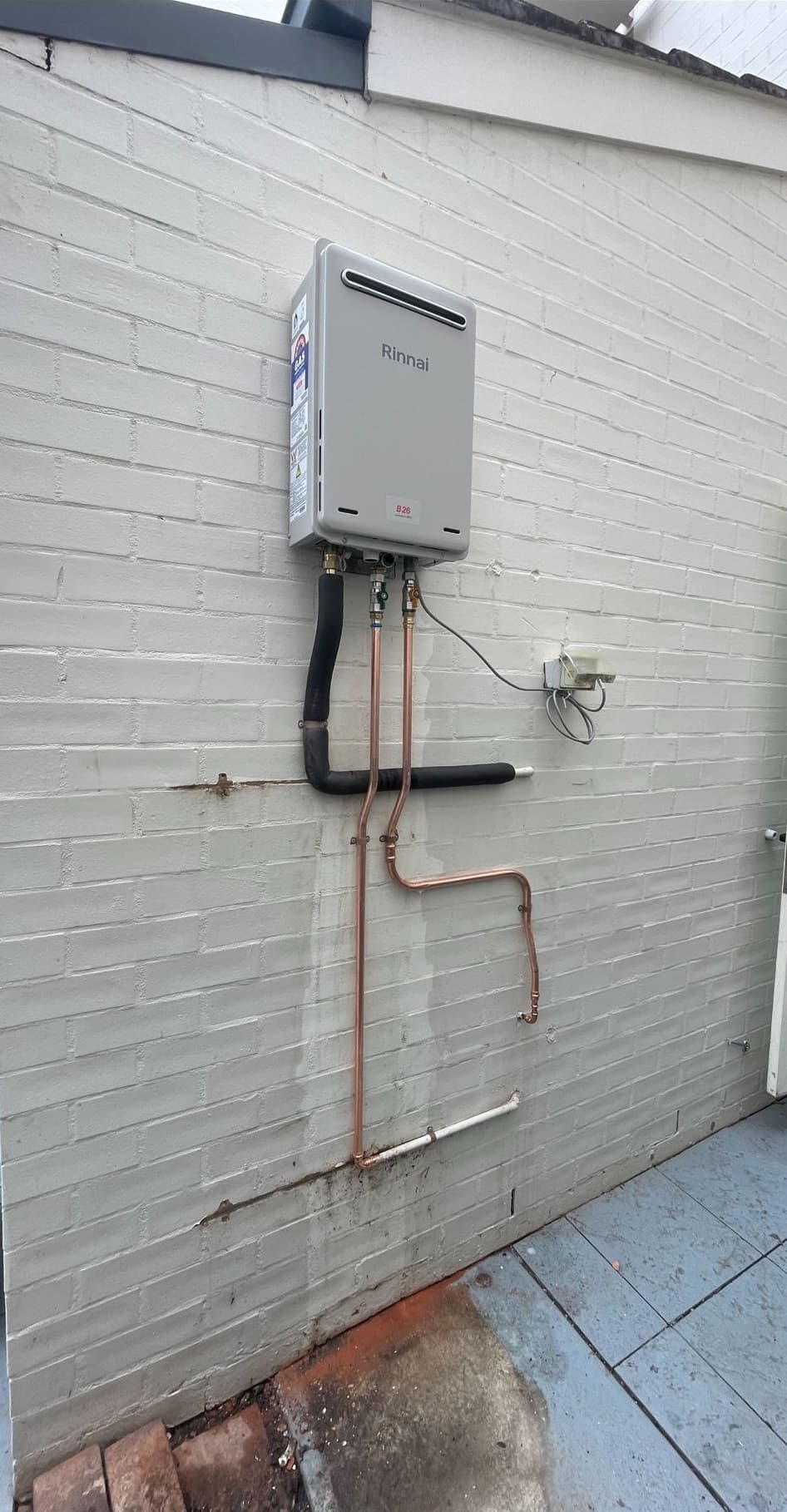
The short answer
A straightforward hot-water replacement is typically $1,600–$2,800 for electric storage, $2,000–$3,400 for gas, or $3,500–$5,500 for a heat pump before discounts. These indicative budgets include GST and were checked on 21 October 2026; conversions, relocation and major upgrades need a separate allowance.
Costs at a glance
AUD · including GSTIndicative budgets for the scope below, checked 21 October 2026. Confirm the total and any additional work before proceeding.
Electric storage hot water system, supplied and installed
$1,600–$2,800per job
The unit, removal of the old one, the tempering valve and compliance certificate.
Allow separately: relocation, major pipe or electrical upgrades and difficult access.
Gas hot water system (storage or continuous flow), supplied and installed
$2,000–$3,400per job
The unit, gas and water connections, removal of the old one, the tempering valve and certificates.
Allow separately: relocation, major pipe or electrical upgrades and difficult access.
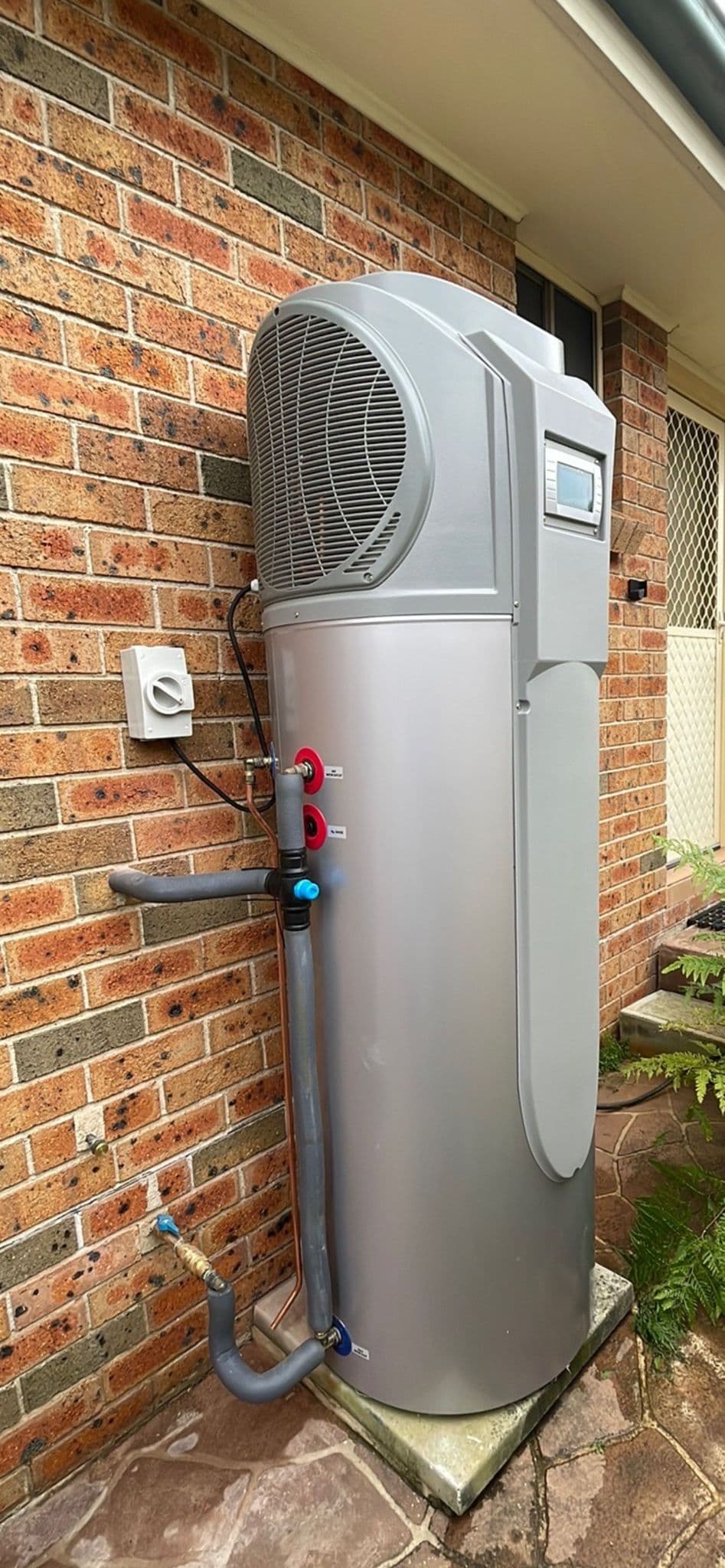
Heat pump hot water system, supplied and installed, before any NSW discount
$3,500–$5,500per job
The unit, connections, removal of the old one and certificates.
Allow separately: relocation, major pipe or electrical upgrades and difficult access.
Compare the installed total
The advertised price of a tank is only part of the decision. A useful quote identifies the exact model and capacity, removal of the old system, connection work, required valves and compliance documentation. Panther can assess your existing setup through our hot-water plumbing service.
| Replacement choice | What to check before comparing prices |
|---|---|
| Electric storage | Tank size, available circuit, location and off-peak arrangement |
| Gas storage or continuous flow | Gas supply capacity, ventilation or flue requirements and simultaneous demand |
| Heat pump | Airflow, clearances, noise location, electrical supply and cold-weather performance |
The ranges above describe straightforward installations at suitable existing connections. They are not a promise that any system can be fitted anywhere for the same amount.
What can increase the installation cost?
Moving a unit can mean longer pipe runs, a new base, drainage changes and electrical work. A gas conversion may need a larger gas line. An electric or heat-pump conversion may require an electrician to alter the circuit. Apartment cupboards, stairs and restricted lifting access can also change the scope.
Ask for these items to be identified before accepting a quote. A lower unit price can become a higher installed total when essential work is left out. Tell us whether your current system is indoors, outdoors, on a balcony or reached through stairs.
Repair or replace the existing system?
A replaceable valve or control fault does not automatically mean a new system is needed. Compare the fault, the unit’s condition, available parts and warranty position. A leaking storage cylinder or several major faults can make replacement more sensible than further repair.
If the system has stopped working, use our no-hot-water checks to record symptoms safely. Do not remove electrical covers, dismantle gas controls or repeatedly reset a fault. The diagnosis comes before a replacement recommendation.
How should you compare running costs and discounts?
Purchase price and running cost are different. Household demand, tariffs, solar generation, the unit’s efficiency and installation location all affect the longer-term cost. Our system comparison guide explains the main trade-offs.
The heat-pump band is before discounts. Eligibility, products and provider arrangements can change: check the current NSW hot-water upgrade information before relying on an incentive. Do not assume a discounted advertisement applies to your property.
What to send for a replacement quote
Send a photo of the complete unit, a readable model label, the connections and the surrounding space. Include the number of people using hot water, whether demand has changed and any fault code. Ask Panther about your replacement so the quote can cover the system and the work needed to install it.

About the author
Panther Plumbing Group
Family-owned plumbing repairs, maintenance and installations across Sydney. We assess the job, explain the options and discuss the scope and cost before work proceeds.
Meet Panther First published . Updated .