Start here
First establish whether every hot outlet is affected and record the system type and any fault code. Use only the manufacturer’s normal user controls; do not open gas or electrical components or keep resetting a recurring fault.
Narrow down the hot-water problem
| What to consider | Useful next step |
|---|---|
| One outlet is cold | The fixture, mixer or local supply may need checking. |
| Every outlet is cold | Check visible user controls and record the unit’s fault code. |
| Hot water runs out early | Compare household demand with tank capacity and recovery. |
| Gas smell, damaged wiring or a leaking tank | Stop troubleshooting and take the appropriate safety action. |
For the work involved, see our hot-water plumbing service and cost guide.
Note the Fault Before Resetting Anything
First establish whether there is no hot water at all, less hot water than usual or a problem at one fixture. Note the system type, any visible fault code, unusual noise, leak, gas smell and whether the issue started suddenly.
Use only the controls and checks described in the manufacturer’s user instructions. Do not remove covers, open electrical parts, dismantle gas components or keep resetting a safety device that trips again.
Electric Storage Systems
An electric storage fault can involve the circuit, control, thermostat, heating element, valve, tank or incoming water supply.
You can look at the switchboard and note whether a labelled circuit has tripped. If it trips again after a permitted reset, leave it off and arrange an electrical assessment. Scalding water, a leaking tank, damaged wiring or water near electrical parts also needs professional attention.
Gas Storage Systems
Check whether other gas appliances are also affected and look for a fault indicator through the normal user interface. Follow the manufacturer instructions only; do not open the burner, flue or gas controls.
If you smell gas, leave without operating electrical switches or using a phone inside. From a safe location, call 000 or the gas distributor’s emergency number. Contact a gas fitter after the immediate danger has been addressed.
Continuous-Flow Systems
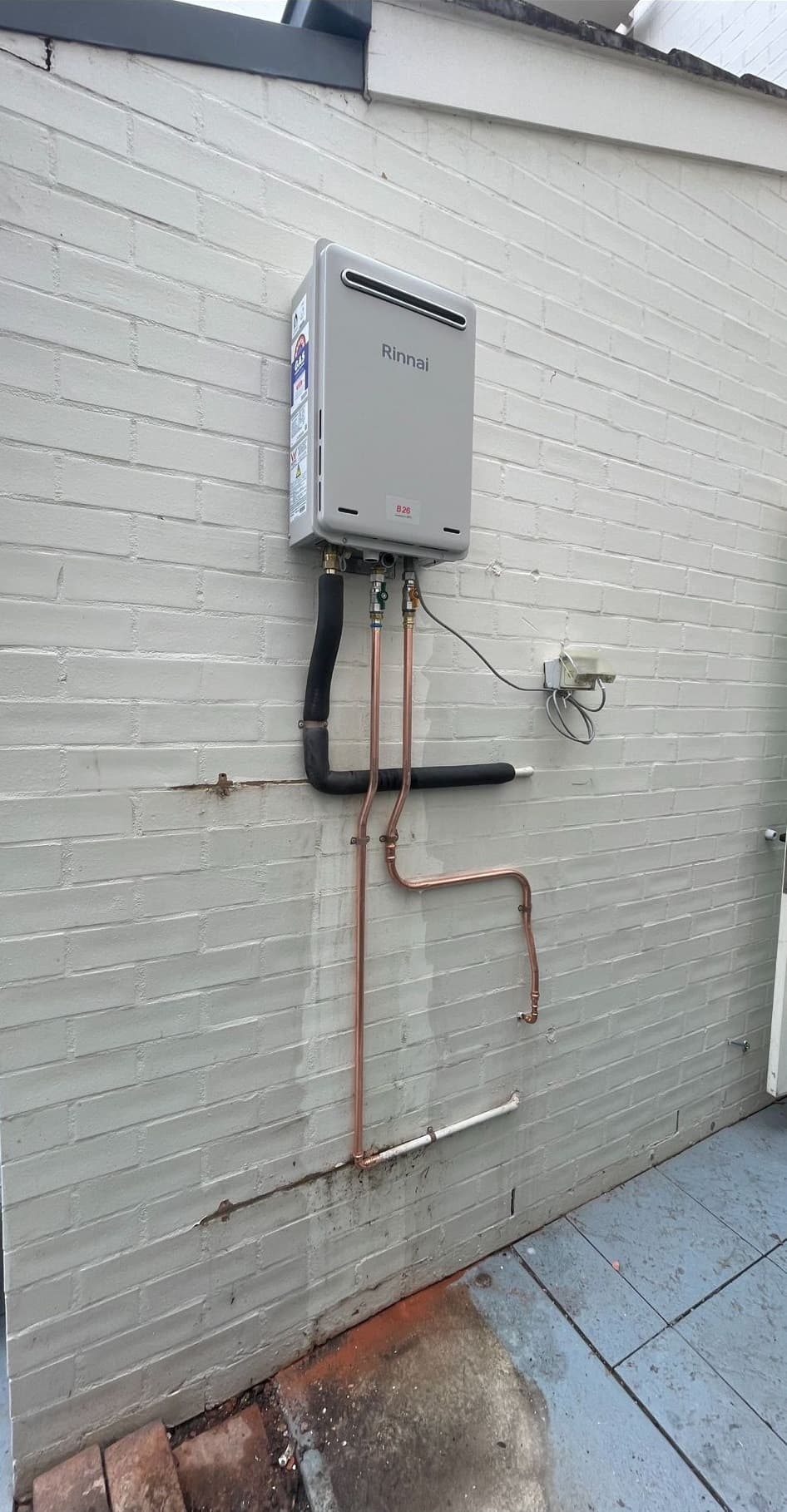
Continuous-flow units can fail to start when flow is too low, the inlet is restricted, the energy supply is interrupted or the appliance records a fault. They can also deliver lukewarm water when simultaneous demand exceeds the selected unit’s capacity.
Record the fault code and whether one or several outlets are affected. A recurring code, ignition fault or supply problem needs the appropriate gas or electrical trade.
Solar and Heat-Pump Systems
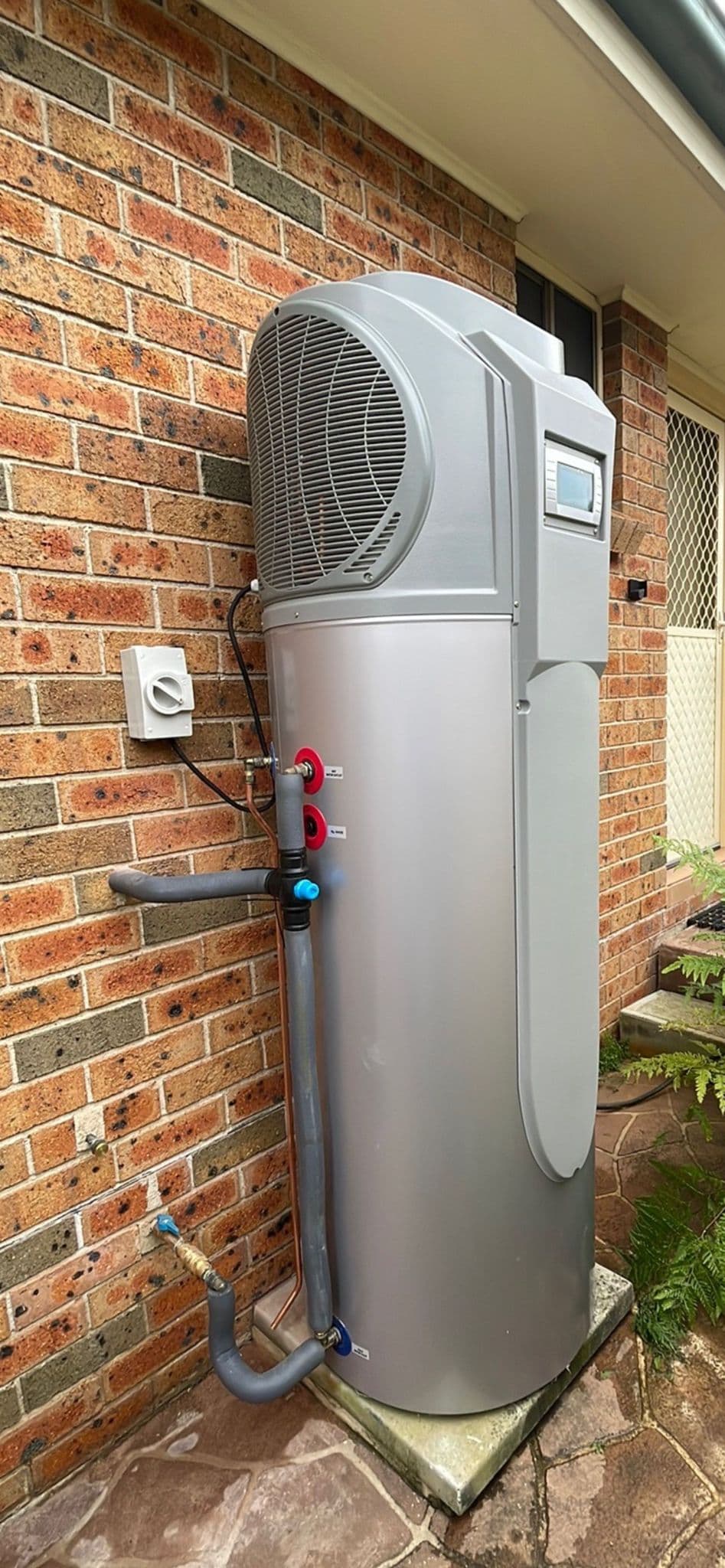
Solar systems rely on collectors, circulation or thermosiphon operation, storage and a booster. Heat pumps rely on the compressor, fan, controls, storage and electrical supply. A fault may sit in the main unit or the boosting arrangement.
Note any displayed code and whether the booster is enabled under the manufacturer instructions. Do not access roof collectors or electrical covers yourself.
Faults That Can Affect Several System Types
- A leaking storage tank or valve
- A tempering or mixing-valve fault
- Restricted water flow
- Sediment or scale affecting the unit
- A failed control, sensor or energy supply
- Household demand exceeding the selected capacity
Maintenance should follow the product instructions and actual water conditions. Avoid generic annual or age-based rules that do not match the unit.
Repair or Replacement?
Compare the tank and component condition, leak location, parts availability, repair history, household demand and work needed to install a suitable replacement. Age alone does not make a repair poor value, and a newer unit can still need replacement if the tank itself has failed.
The quote should identify the diagnosis, proposed repair or replacement, removal, valves, pipe changes, electrical or gas work and applicable documentation.
When Is It Urgent?
Active water damage, a suspected gas leak, scalding water, unsafe electrical conditions or a tank that is visibly failing needs prompt safety action. Emergency contact is available 24/7, but attendance depends on the fault, location, access and current availability.
No hot water? Call 0404 939 121 with the system type and fault signs, or send a clear photo and any fault code online.
For a gas smell, follow Jemena’s gas safety guidance and contact the relevant emergency service from a safe location.
About the author
Panther Plumbing Group
Family-owned plumbing repairs, maintenance and installations across Sydney. We assess the job, explain the options and discuss the scope and cost before work proceeds.
Meet Panther First published . Updated .