Start here
Start by checking whether one fixture or several are affected. Stop using fixtures if wastewater is backing up; a recurring blockage needs investigation of the pipe, not just another home remedy.
Match the symptom to the next step
| What to consider | Useful next step |
|---|---|
| One slow sink | Check the visible waste opening and note whether other fixtures work normally. |
| Several slow or overflowing fixtures | Stop use and arrange assessment of the shared drain. |
| A blockage that keeps returning | Ask whether CCTV is needed to identify a pipe defect. |
For the work involved, see our blocked-drain service and cost guide.
First, Work Out How Much of the Drainage Is Affected
A slow sink is different from a toilet that gurgles whenever the shower runs. Before trying anything, check which fixtures are affected and whether wastewater is backing up.
- One fixture only: the obstruction may be near the strainer, trap or fixture outlet.
- Several nearby fixtures: the branch drain may be restricted.
- Fixtures in different rooms: the problem may be in a shared or main line.
- Wastewater or an outdoor overflow: stop using connected fixtures and call for help.
The pattern is more useful than guessing what is inside the pipe.
Simple Checks for a Local Fixture Blockage
Clean an Accessible Strainer or Stopper
Hair, food scraps and soap buildup often collect at the top of a sink or shower waste. Remove and clean only the parts designed for normal user access, then test with a small amount of water.
Try a Suitable Plunger
Do not plunge a drain after chemical cleaner has been added: it can splash the cleaner back towards you. Tell the plumber the product and when it was used. Drain-cleaner manufacturer precautions warn against plunging during or after use.
A cup plunger can suit a sink or shower, while a flange plunger is designed for a toilet. Create a seal and use controlled strokes. Stop if the fixture is loose, wastewater is escaping or the connection may be damaged.
Check Another Fixture
Run only a small amount of water at a nearby fixture. If it also drains slowly or causes gurgling elsewhere, the problem is unlikely to be confined to the first waste.
What to Avoid
Do not pour a corrosive drain cleaner into unknown pipework. It may create heat or fumes, may not suit the pipe or blockage, and can leave a hazardous line for whoever opens it later.
Do not push wire, a powered machine or an improvised tool into fixed drainage. A tool can become stuck, damage a fixture or worsen a fault in an already damaged pipe.
Do not keep using fixtures when sewage is backing up. Limit access to the affected area and keep people and pets away from wastewater.
Why a Drain Can Keep Blocking
Clearing removes an obstruction, but it does not repair the pipe. Repeat problems may involve:
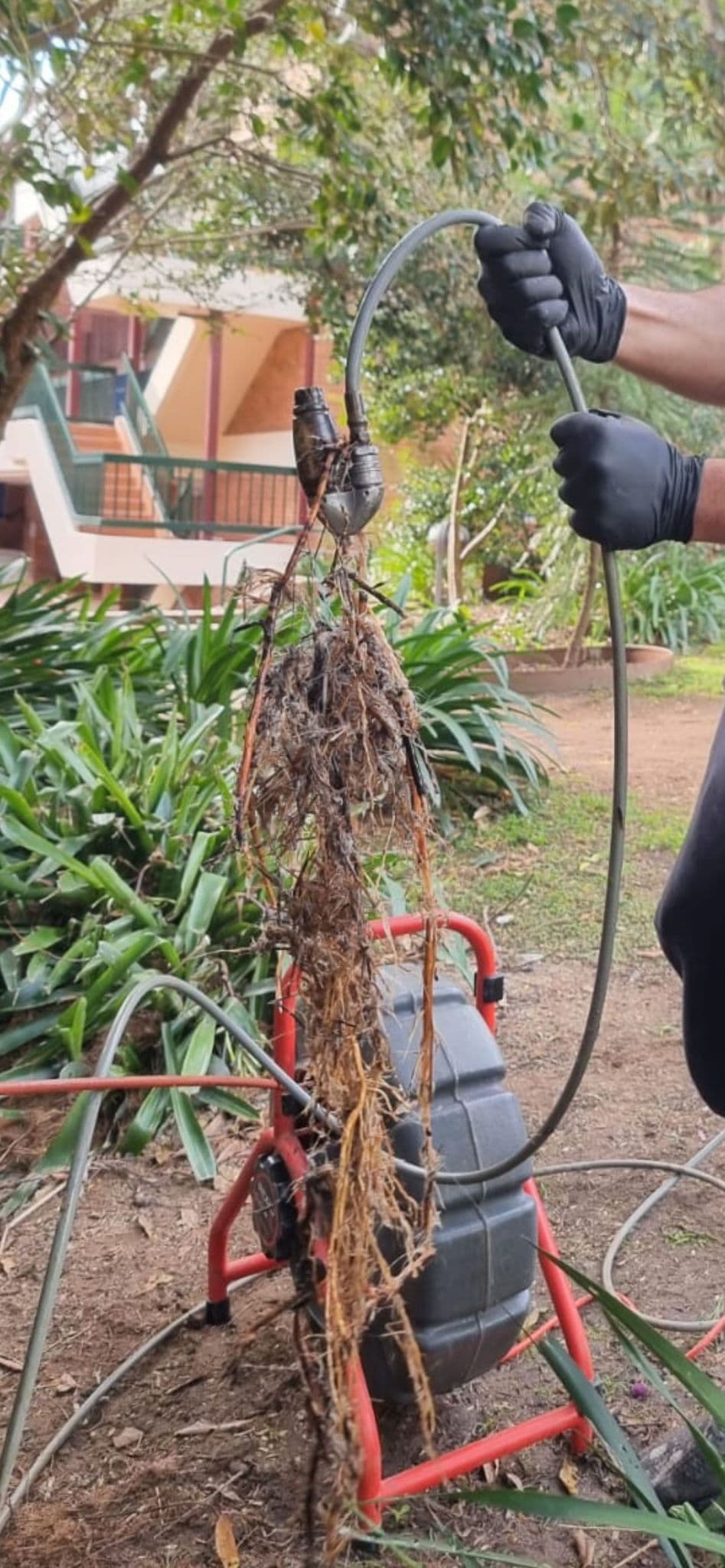
- Roots entering a crack or joint
- Grease, scale or debris narrowing the line
- A displaced, sagging or damaged section
- A foreign object
- A shared stack or common drain
- A fixture or branch that does not have suitable flow
The cause needs to be seen or tested before a repair method is chosen.
When CCTV Inspection Helps
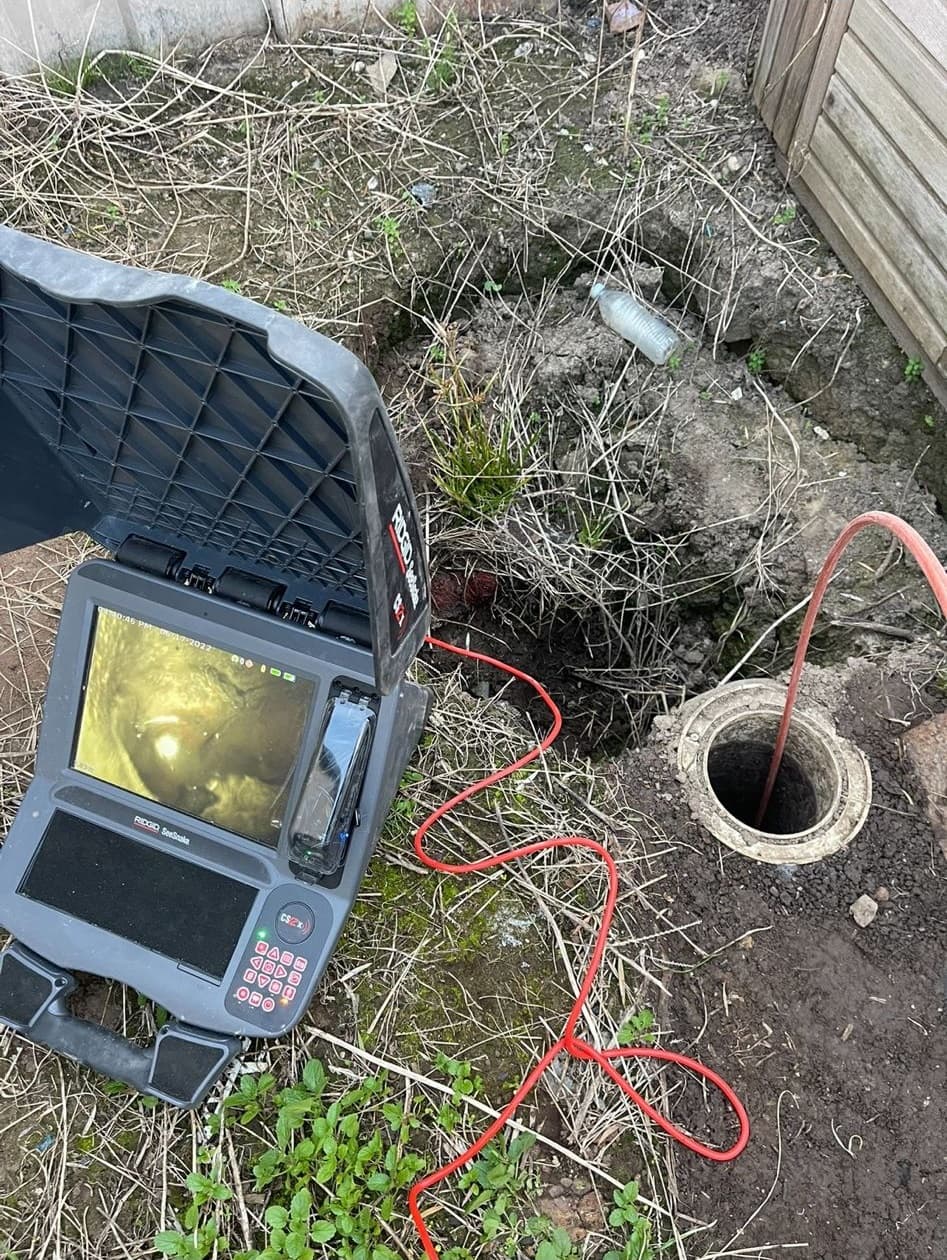
A drain camera can show the blockage position and visible pipe condition after the line is accessible. It is particularly useful when the blockage returns, roots are found or excavation or pipe relining is being considered.
Camera footage does not by itself fix the drain. It provides evidence for comparing further clearing, a targeted repair, relining or replacement.
What to Send with a Blocked-Drain Enquiry
Include:
- Every affected fixture
- When the problem started
- Whether wastewater is backing up
- Whether the line has blocked before
- Any previous CCTV footage or repair information
- Access to outdoor drains or shared building areas
For sewage backup or active flooding, use the 24/7 phone contact. For a recurring or planned investigation, see the blocked-drain service.
Call 0404 939 121 for an urgent blockage, or send the drainage history and photos online.

About the author
Panther Plumbing Group
Family-owned plumbing repairs, maintenance and installations across Sydney. We assess the job, explain the options and discuss the scope and cost before work proceeds.
Meet Panther First published . Updated .