Start here
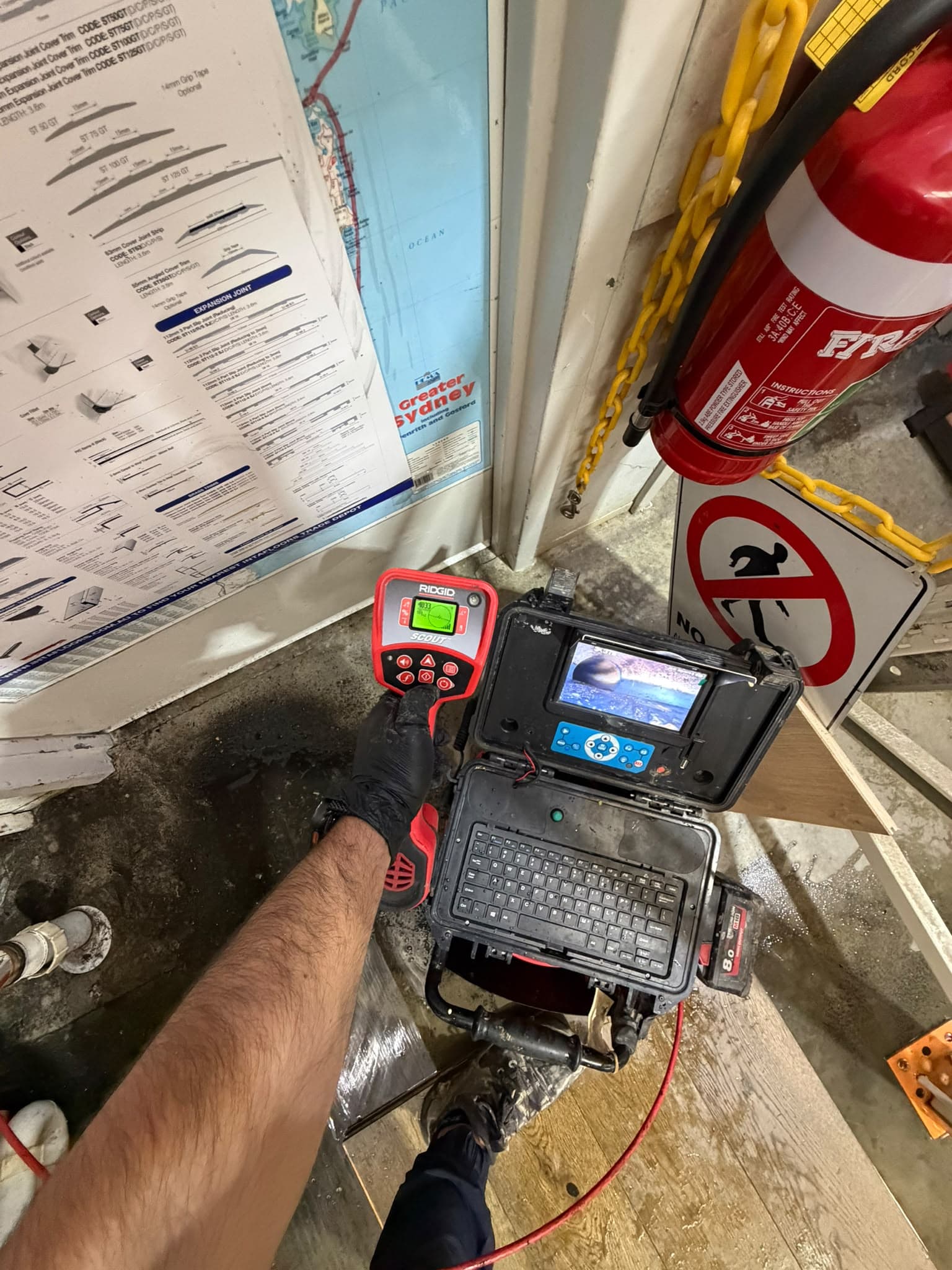
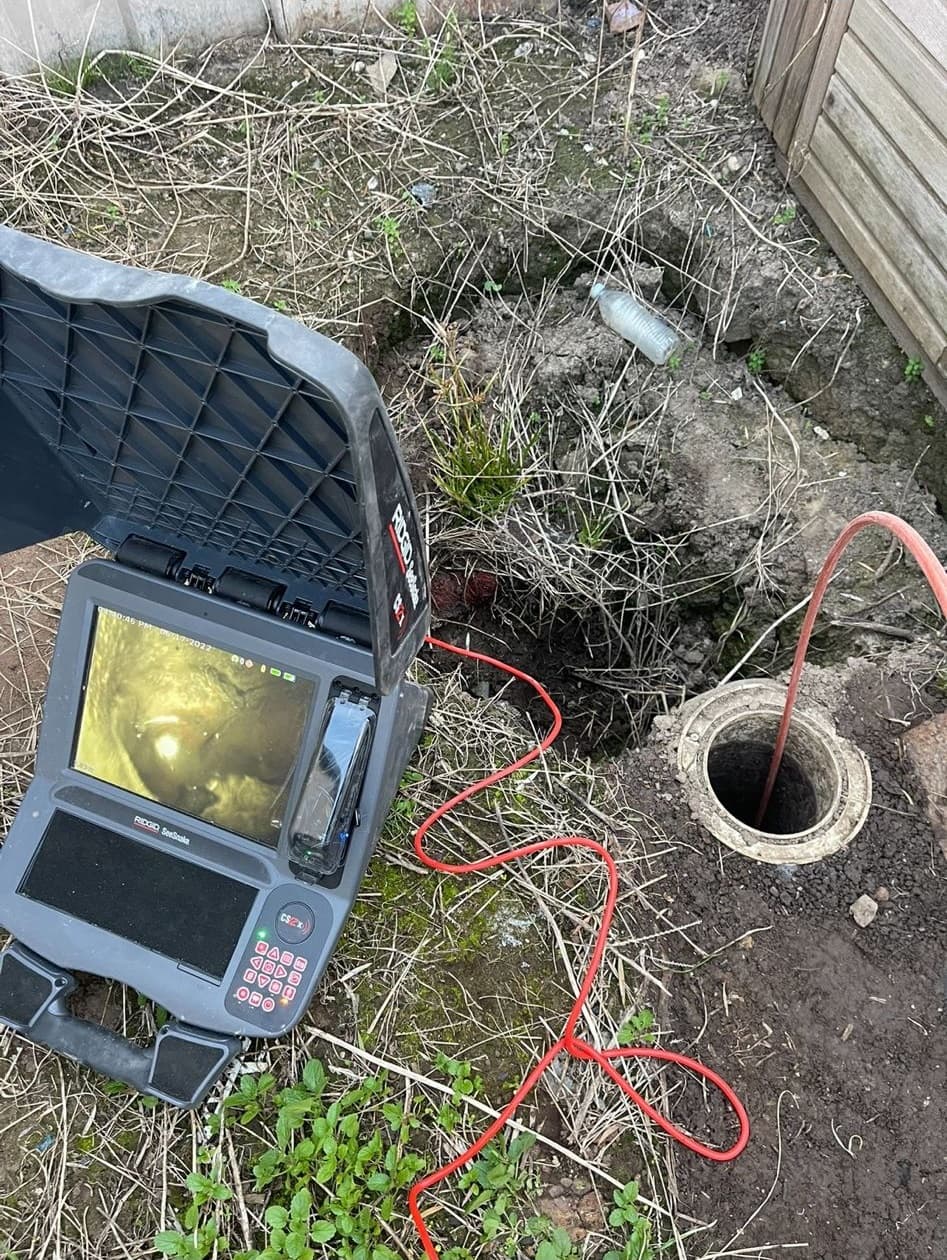
If a drain repeatedly blocks, clearing may be treating the obstruction without fixing its cause. Camera inspection can help distinguish build-up, roots and physical pipe damage before choosing further clearing, repair or relining.
What the repeat pattern can mean
| What to consider | Useful next step |
|---|---|
| Build-up returns | Review what enters the drain and the clearing method. |
| Roots are found repeatedly | Inspect where they enter and whether a repair is needed. |
| Damage or poor alignment is visible | Compare a suitable repair with repeated clearing. |
For the work involved, see our blocked-drain service and cost guide.
Clearing the Blockage May Not Remove the Cause
If a drain blocks again after clearing, record how soon it returned and which fixtures are affected. Repeat problems can mean the pipe still has a defect, buildup or usage issue that clearing alone cannot resolve.
The next useful step is usually to inspect the accessible line and compare the condition with the blockage history.
Roots Entering a Damaged Pipe
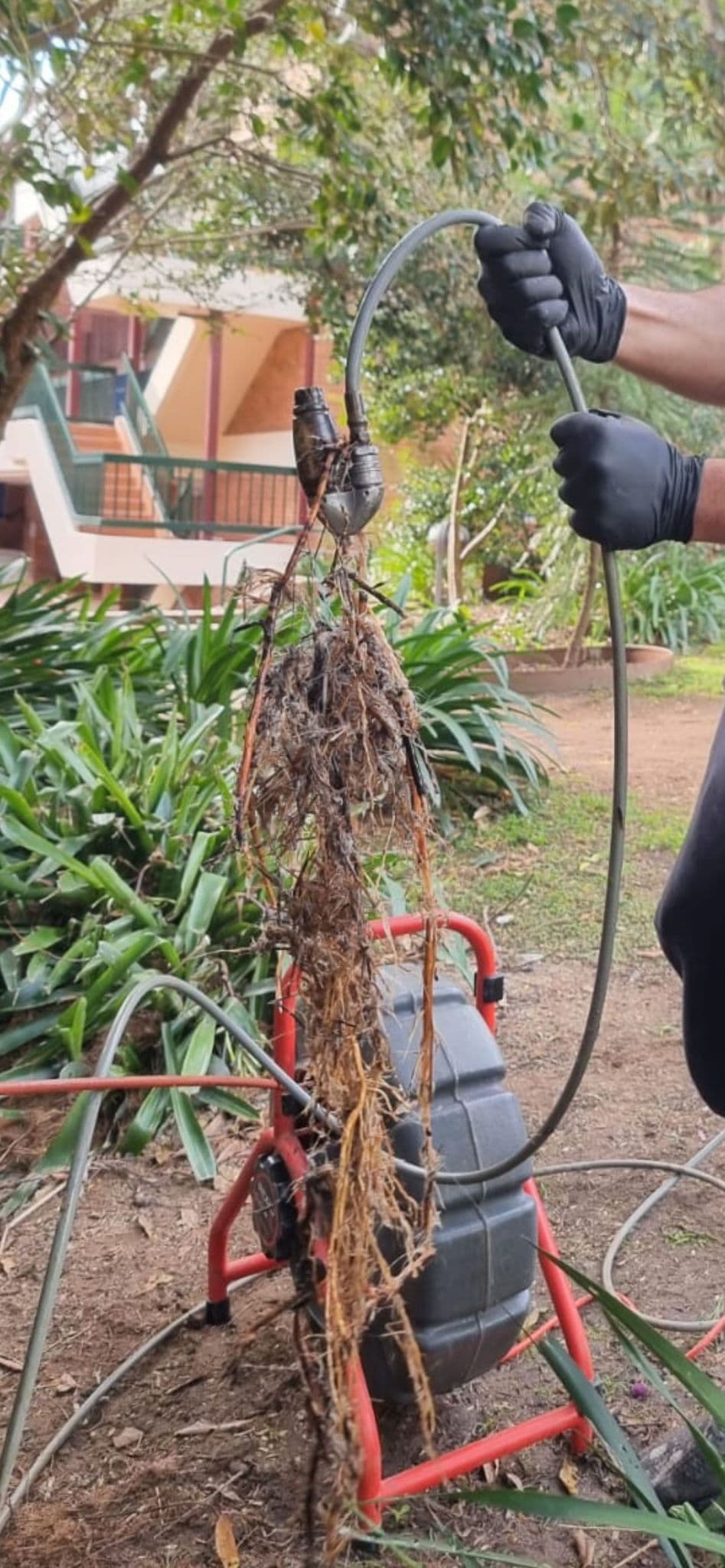
Roots can enter through a crack, open joint or damaged connection. Clearing removes the roots inside the line, but growth can return while the opening remains.
CCTV footage can help show the entry point and whether targeted repair, pipe relining or excavation should be compared.
A Displaced, Cracked or Collapsed Section
A damaged section can catch paper and debris after each clearing. The camera may show a displaced joint, crack, deformation or collapse, but access and the surrounding ground still affect the repair method.
Poor Grade or a Sag
Gravity drainage needs suitable fall and support. A flat, back-graded or sagging section can retain water and solids.
Relining repairs the inside of a suitable pipe; it does not lift a sag or correct surrounding support. A grade problem may require the affected section to be exposed and re-laid.
Grease, Scale and Material Buildup
Grease and food residue can narrow a kitchen line. Hair and soap can restrict bathroom wastes. Commercial and shared lines may also accumulate material from several users.
Water jetting can remove suitable buildup when the pipe condition supports it. Ongoing disposal habits and any maintenance plan should be based on what the inspection shows.
Items That Should Not Be Flushed
Wipes, sanitary products, cotton items and other foreign objects can catch in a fixture or pipe. Only toilet paper and human waste should be flushed, even when packaging describes another product as flushable.
Shared Drains and Strata Buildings
In a unit block, a recurring problem may sit within one lot, a shared stack or a common line. Identify which fixtures and lots are affected and arrange the building contact and access before inspection.
The plumbing findings can document the source. Responsibility should be determined from the strata plan, by-laws and advice relevant to the property.
What CCTV Can and Cannot Show
A camera can show visible pipe condition, blockage position, roots, buildup and displaced sections where the line is accessible. It cannot always show what surrounds the pipe or prove why ground movement occurred.
Useful footage should be considered with the pipe material, depth, branches, access and surface above the line.
Repair Options
Depending on the evidence, options may include:
- Further clearing and a site-specific maintenance interval
- A targeted section repair
- Relining a suitable damaged section
- Excavating and replacing an unsuitable section
- Correcting a fixture, vent or connection problem
No single method is right for every recurring blockage.
What to Send with an Enquiry
Include every affected fixture, how often the blockage returns, previous clearing methods, any CCTV footage, repair history and access to inspection points.
See blocked-drain services for investigation and clearing options.
Call 0404 939 121 for sewage backup or an urgent blockage, or send the drainage history online.

About the author
Panther Plumbing Group
Family-owned plumbing repairs, maintenance and installations across Sydney. We assess the job, explain the options and discuss the scope and cost before work proceeds.
Meet Panther First published . Updated .